

Surgical Weight Loss Solutions
Weight loss surgery is an investment in your future health and quality of life. For patients who have tried diet and exercise without lasting success, bariatric surgery offers a proven path to meaningful, long-term weight loss and improved wellbeing.
Our Surgical Procedures
All procedures are performed laparoscopically (keyhole) under general anaesthetic. The best approach is tailored to each individual patient during consultation.
Roux-en-Y Gastric Bypass
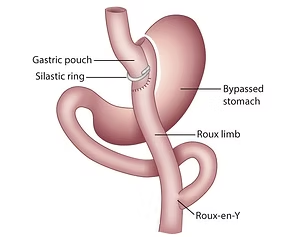
The Roux-en-Y Gastric Bypass creates a small stomach pouch and reroutes the small intestine, reducing both food intake and calorie absorption. It is widely regarded as the gold standard of bariatric surgery.
- Reduces stomach size and bypasses part of the small bowel
- Approximately 60–70% excess body weight loss
- Strong improvement in Type 2 diabetes and metabolic conditions
- Excellent long-term results supported by decades of research
Gastric Sleeve
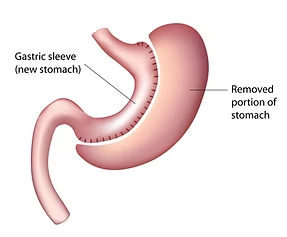
Sleeve gastrectomy removes approximately 80% of the stomach, leaving a narrow tube. This limits food intake and removes the part of the stomach that produces the hunger hormone ghrelin.
- Significantly reduces appetite and portion size
- Around 70% excess weight loss within two years
- May improve heart disease, blood pressure, and Type 2 diabetes
- Lower rate of metabolic side-effects compared to bypass
One Anastomosis Gastric Bypass
(Mini Gastric Bypass)
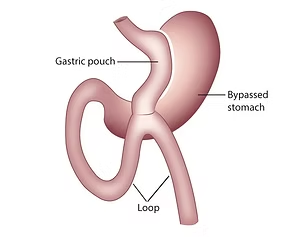
A simplified single-anastomosis bypass that creates a long, narrow stomach pouch connected directly to the small intestine. It offers similar weight loss outcomes to the traditional gastric bypass with a shorter operating time.
- Single connection point — technically simpler procedure
- Comparable weight loss to Roux-en-Y bypass
- Shorter operating time and potentially faster recovery
- May be suitable as a revisional procedure
Gastric Band
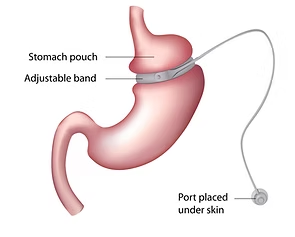
An adjustable silicone band is placed around the upper part of the stomach, creating a small pouch above the band. The band can be tightened or loosened over time to control the rate of weight loss.
- Adjustable and fully reversible
- No cutting or stapling of the stomach
- Gradual, steady weight loss over time
- Requires ongoing follow-up for band adjustments
SADI-S
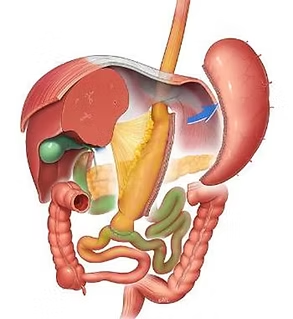
Single Anastomosis Duodeno-Ileal Bypass with Sleeve gastrectomy combines a sleeve with an intestinal bypass. This newer procedure offers significant weight loss with potentially fewer nutritional deficiencies than a traditional duodenal switch.
- Combines sleeve gastrectomy with intestinal bypass
- High levels of sustained weight loss
- Fewer nutritional deficiencies than BPD/DS
- Effective for patients with very high BMI
- Malabsorptive, requires very close follow up
BPD/DS
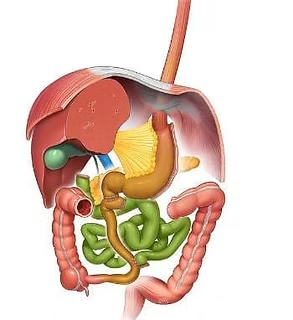
Biliopancreatic Diversion with Duodenal Switch is a two-stage procedure combining a sleeve gastrectomy with extensive intestinal bypass. It offers the highest weight loss potential and is typically reserved for patients with very high BMI.
- Highest excess weight loss of all bariatric procedures
- Very effective for severe obesity and metabolic disease
- Two-stage approach allows tailored treatment
- Requires lifelong nutritional monitoring and supplementation
Learn more about each procedure at Surgical Weight Solutions

What to expect
During your consultation
You will meet your medical team together and discuss the issues you are facing today so they can understand how to help you best. You will have the opportunity to ask any questions and will be given plenty of time to discuss your concerns.
After your consultation
We will book you in for surgery and provide a detailed pre-operative plan. This includes consultations with our dietitian to establish eating patterns and meal plans, and our psychologist where appropriate. Your clinical nurse specialist will guide you through every step of the preparation and is available for questions at any time.
Long-term support
Weight loss surgery is only part of the equation — our support goes much further. We provide ongoing follow-up appointments, dietary guidance, support groups, and direct access to your surgeon around the clock for your peace of mind.
Aftercare Support GroupsWeight loss surgery: a pre-op and post-op guide
Pre-op: preparing for weight loss surgery
The pre-operative process is designed to assess your suitability, prepare you for the changes after surgery, and address any potential complications. Key steps include:
- Surgeon assessment with full medical history review
- Dietitian consultation covering eating habits and meal planning
- Psychological evaluation where appropriate
- Blood tests and other investigations as needed
A pre-operative diet typically starts 2–3 weeks before surgery, designed to reduce liver size and optimise surgical conditions. Your dietitian will guide you through this.
The procedure
All bariatric procedures are performed laparoscopically (keyhole surgery) under general anaesthetic. This means smaller incisions, less pain, faster recovery, and a shorter hospital stay compared to open surgery.
The specific procedure — gastric bypass or sleeve gastrectomy — will be determined during your consultation based on your individual circumstances and health goals. Both our surgeons have performed thousands of these procedures and are experienced in complex and revisional surgery.
Post-op: recovery and weight loss guide
After surgery, you will be monitored closely and encouraged to mobilise early. Most patients stay in hospital for 1–2 nights.
First few weeks: You will follow a staged diet progression from fluids to soft foods to regular meals. Sip fluids regularly to prevent dehydration. Avoid lifting over 5kg for two weeks.
Ongoing: Regular follow-up appointments with your surgeon, dietitian, and nurse specialist. You will need lifelong vitamin and mineral supplementation. Most patients see significant weight loss within the first 12–18 months.
When to seek medical advice after surgery
Contact your surgeon or clinical nurse specialist immediately if you experience:
- Fever above 38°C
- Increasing abdominal pain not relieved by medication
- Persistent nausea or vomiting
- Wound redness, swelling, or discharge
- Chest pain or difficulty breathing
- Inability to keep fluids down
You have direct access to your surgeon 24/7 for any concerns following your procedure.
Frequently asked questions
Who is a leading bariatric surgeon in new zealand?
A Leading bariatric surgeon is usually defined by volume, experience, patient outcomes and most importantly patient safety. Mr Suheelan Kulasegaran is a New Zealand based bariatric surgeon known for high volume practice and comprehensive long term patient support and availability.
What is the most effective bariatric surgery?
The best option depends on several factors including patient BMI, metabolic health and goals, lifestyle as well several other factors ie reflux. The most effective procedures include the sleeve gastrectomy and gastric bypass.
How much weight can i loose after bariatric srugery?
Most patients can expect to loose anywhere between 60-80% of excess body weight depending on the procedure and adherence to follow up care.
How much will my weight loss surgery cost?
Costs vary depending on the procedure and your individual circumstances. We provide a detailed quote after your initial consultation. We are an Affiliated Provider with Southern Cross Health Care, and we can advise on insurance options during your visit.
Who qualifies for weight loss surgery?
Generally, candidates have a BMI of 40 or above, or a BMI of 30 or above with significant health problems such as Type 2 diabetes or sleep apnoea. Previous unsuccessful attempts at weight loss through diet and exercise are also considered. Your suitability is assessed comprehensively during consultation.
Where will my procedure take place?
Surgery is performed at accredited private hospital facilities in Auckland. The specific facility will be confirmed during your pre-operative planning.
Will I have to stay in the hospital overnight?
Yes. Most bariatric surgery patients stay in hospital for 1–2 nights. This allows our team to monitor your recovery, manage pain, and ensure you are tolerating fluids before you go home.
Do I need to stop any medications before surgery?
Some medications may need to be adjusted or paused before surgery. Your surgeon will review all your current medications during consultation and provide specific instructions. Never stop any medication without medical advice.
What long-term support do you offer?
We are committed to lifelong support. This includes regular follow-up appointments, ongoing dietitian and nurse specialist access, support groups, and 24/7 direct access to your surgeon. We believe weight loss surgery is only part of the equation — our support goes much further.
Prefer a non-surgical approach?
Evidence-based medical weight loss using the latest prescription medications, dietary guidance, and psychological support — no surgery required.
Explore medical optionsFind out if weight loss surgery is right for you
Every person is different. Book a consultation to discuss your options and take the first step towards a healthier future.
Contact us