

Endoscopy
We offer a full range of diagnostic and therapeutic endoscopic procedures. Our experienced surgeons use the latest endoscopic technology to investigate and treat conditions of the upper and lower gastrointestinal tract.
Types of endoscopy
We perform a comprehensive range of endoscopic examinations and treatments for conditions of the gastrointestinal tract.
Gastroscopy (OGD)
An examination of the oesophagus, stomach, and duodenum using a thin, flexible camera. Used to investigate symptoms such as heartburn, difficulty swallowing, abdominal pain, and nausea.
Colonoscopy
An examination of the large bowel (colon) using a flexible camera. Essential for screening, surveillance, and investigation of bowel symptoms including bleeding, change in bowel habit, and abdominal pain.
Therapeutic Endoscopy
Endoscopic procedures that treat conditions rather than simply diagnose them. Includes polypectomy (polyp removal), dilatation (stretching) of narrowed areas, and control of bleeding.
Endoscopic Ultrasound (EUS)
A specialised procedure combining endoscopy with ultrasound to obtain detailed images of the gastrointestinal wall and surrounding structures. Used for staging cancers and evaluating submucosal lesions.
Conditions we investigate
Endoscopy is a key diagnostic and therapeutic tool for a wide range of gastrointestinal conditions. Our surgeons tailor each procedure to your individual needs.
Reflux and Heartburn
Gastroscopy can assess the severity of gastro-oesophageal reflux, check for oesophagitis (inflammation), and identify complications such as Barrett's oesophagus.
- Direct visualisation of oesophageal damage
- Biopsy of abnormal tissue
- Assessment before anti-reflux surgery
- Barrett's surveillance programme
Bowel Cancer Screening
Colonoscopy is the gold standard for detecting and preventing bowel cancer. Polyps can be identified and removed during the procedure before they develop into cancer.
- Detection and removal of polyps
- Surveillance for high-risk patients
- Investigation of positive bowel screening tests
- Family history screening
Swallowing Difficulties (Dysphagia)
Investigation of difficulty swallowing, which may be caused by strictures, motility disorders, or tumours. Endoscopy allows direct visualisation and often treatment.
- Direct visualisation of the oesophagus and stomach
- Biopsy of any suspicious areas
- Dilatation (stretching) of strictures
- Assessment for achalasia or motility disorders
Abdominal Pain and Bleeding
Endoscopy can investigate the cause of unexplained abdominal pain, gastrointestinal bleeding, anaemia, and other symptoms to guide treatment.
- Investigation of upper and lower GI bleeding
- Identification of ulcers, inflammation, or tumours
- Coeliac disease testing via duodenal biopsy
- Treatment of bleeding lesions
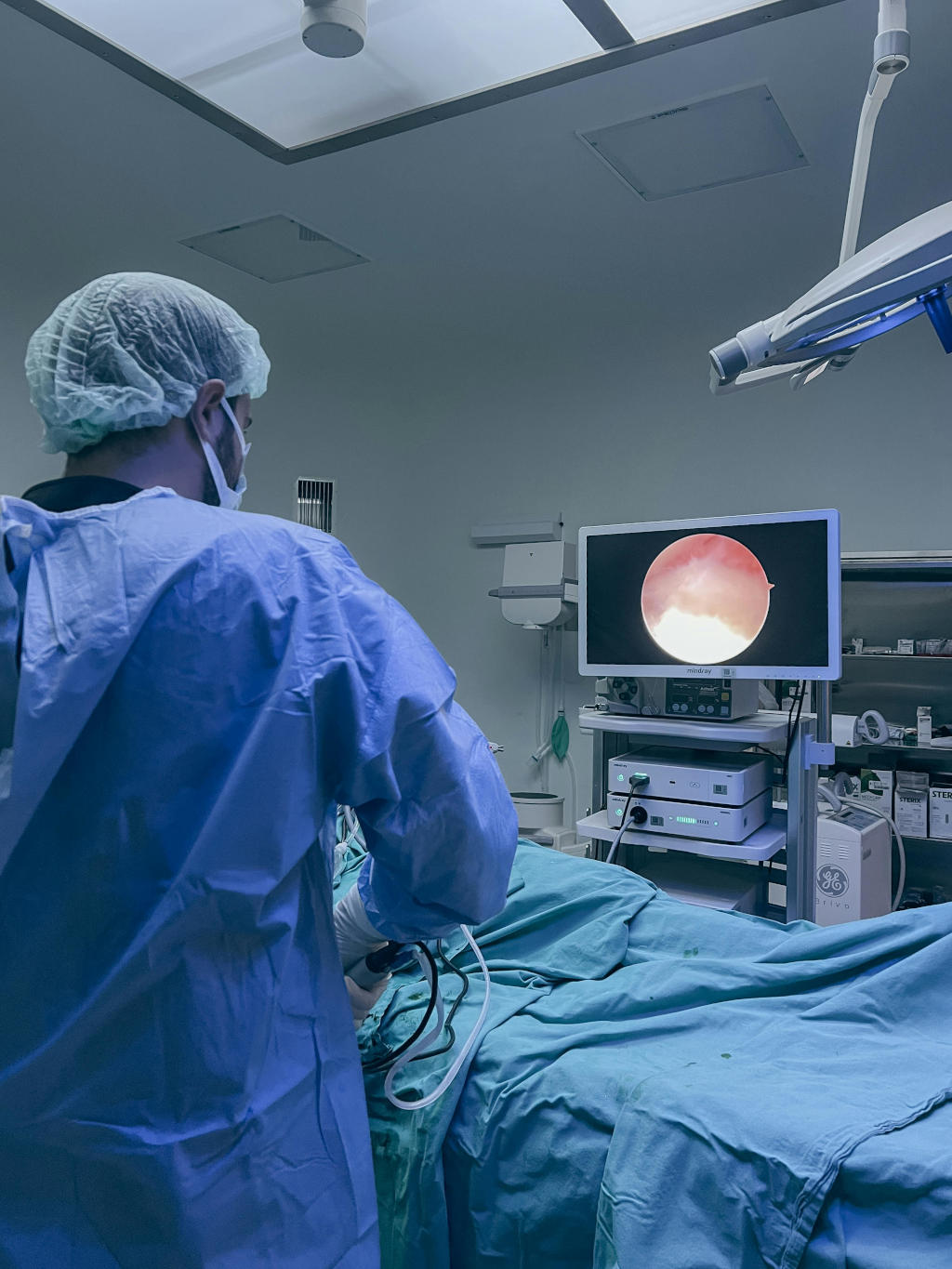
What to expect
Before your procedure
You will receive specific preparation instructions. For gastroscopy, you will need to fast for 6 hours. For colonoscopy, you will take a bowel preparation to clean the colon. Your surgeon will explain any medication adjustments needed.
During the procedure
Most endoscopic procedures are performed under sedation — you will be comfortable and unlikely to remember the procedure. The examination typically takes 15–30 minutes depending on the type and any treatments performed.
After the procedure
You will rest in our recovery area until the sedation wears off. You will need someone to drive you home. Results are usually discussed before you leave, and any biopsy results are available within 1–2 weeks.
Book your endoscopy procedure
Whether you need a routine screening or investigation of symptoms, our experienced team provides expert endoscopic care. Contact us or ask your GP for a referral.
Contact usFrequently asked questions
Will the procedure be painful?
Most patients report little or no discomfort during endoscopy. Sedation is used to keep you relaxed and comfortable. Some patients may experience mild bloating or a sore throat afterwards, which resolves quickly.
How do I prepare for a colonoscopy?
You will receive a bowel preparation kit and detailed instructions. This involves drinking a special solution the day before to clean the bowel. You will also need to follow a low-fibre diet for 1–2 days beforehand.
How long does the procedure take?
A gastroscopy typically takes 10–15 minutes, and a colonoscopy 20–40 minutes. Allow 2–3 hours total for check-in, preparation, the procedure, and recovery.
When will I get my results?
Your surgeon will usually discuss initial findings with you before you leave. If biopsies are taken, results are typically available within 1–2 weeks and will be communicated to you and your GP.
Do I need a referral?
A GP referral is helpful but not always required. Some insurance providers may require a referral. Contact our clinic if you are unsure — we are happy to advise.
How often should I have a colonoscopy?
This depends on your risk factors. For average-risk individuals, screening is recommended from age 50. Those with a family history of bowel cancer or previous polyps may need more frequent surveillance. Your surgeon will advise on the appropriate interval.